
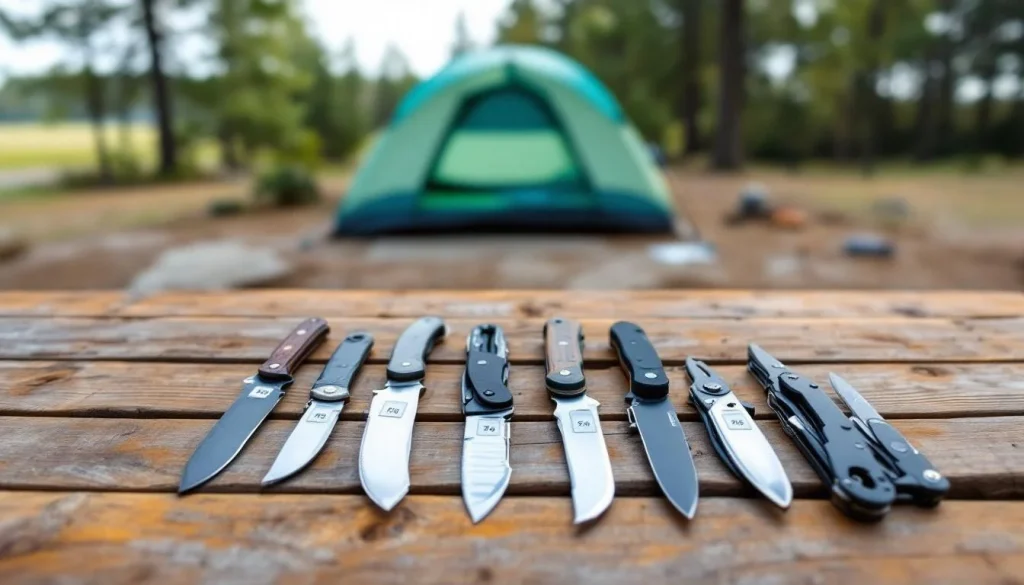

Picking the right camping knife matters more than most people realize. A blade that handles camp tasks well-chopping, carving, food prep-saves time and effort in the field.
The best camping knife value comes from matching steel quality, blade shape, and handle comfort to what you actually do at camp. This guide cuts through the noise to help you find a reliable blade that earns its place in your pack.
What Separates Good Camping Knives From Great Ones
The Three Core Elements That Matter
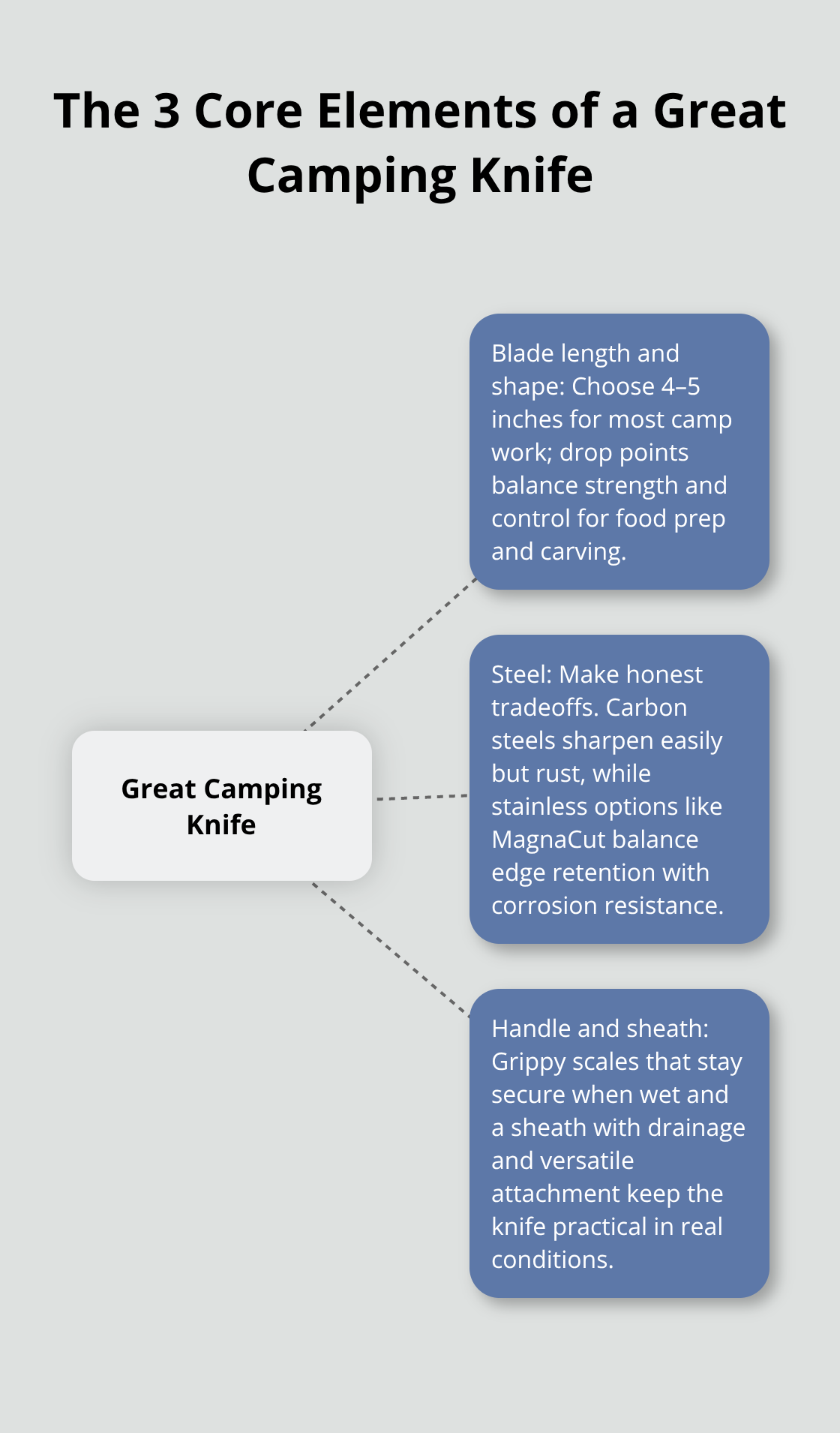
A great camping knife combines three core elements that directly impact performance in the field: the right blade length and shape for your actual tasks, steel that maintains its edge under real conditions, and a handle that stays secure when your hands are wet or cold. Most camping knives fail not because of brand names but because they compromise on one of these fundamentals.
Blade Length and Shape for Real Camp Work
Blade length matters more than beginners think-camp tasks cluster around specific ranges. A 4 to 5-inch blade handles food prep, rope cutting, and general utility work efficiently without excess weight, which is why the ESEE 4 and Morakniv Bushcraft Black remain popular choices among experienced campers. Longer blades excel for wood processing and shelter tasks, while anything under 4 inches sacrifices functionality for minimal weight savings. Blade shape drives versatility: drop-point designs are genuinely superior for camping because they balance strength with precision, reducing tip failures during prying or heavy chopping. Tanto blades deliver exceptional durability for abuse but sacrifice fine control for food prep. Flat or convex edge geometry, as found on the Ka-Bar BK7, proves tougher for wood processing than hollow-ground edges because they distribute force more evenly across the cutting surface.
Steel Selection: Honest Tradeoffs Over Marketing
Steel selection requires honest tradeoffs rather than chasing premium marketing. High-carbon steel like 1095 Cro-Van is genuinely easier to sharpen in remote settings and handles batoning without chipping, but it rusts quickly if not maintained-acceptable for car campers with access to oil, problematic for extended backcountry trips. Stainless options like MagnaCut offer the best balance for most camping scenarios: they resist corrosion better than carbon steel while maintaining edge retention that rivals premium options, making them the practical default for outdoor enthusiasts who want durability without constant maintenance.
Handle Design and Sheath Quality
Handle design separates comfort from fatigue during long camp sessions. Synthetic materials like G10 or Micarta with multiple rivets provide reliable grip in wet conditions and won’t absorb moisture like wood handles do. Full tang construction isn’t strictly necessary for value-many excellent camping knives use partial tangs-but the handle must feel secure in your hand under pressure. A sheath with drain holes and attachment options like Tek Lok or MOLLE compatibility transforms a good knife into a practical tool because you can position it where you actually need it, not where it fits in your pack.
Finding Your Ideal Match
These three elements work together to determine whether a knife serves you well or sits unused in your gear closet. The next section explores how different knife styles-fixed blades, folders, and multi-tools-apply these fundamentals to different camping scenarios and user preferences.
Which Knife Style Fits Your Campsite Reality
Fixed Blades: Strength Without Compromise
Fixed blade knives dominate serious camping because they eliminate the weak points that folding designs introduce. A fixed blade has no hinges to corrode, no locking mechanism to fail under stress, and no moving parts that accumulate dirt and moisture during extended field use. When you bathe wood or process shelter materials, a fixed blade like the Ka-Bar BK7 with its 7-inch blade and 1095 Cro-Van steel delivers the strength you need without hesitation. The ESEE 4 proves that fixed blades don’t require extreme size either-its 4.5-inch blade handles 90 percent of camp tasks while remaining light enough for backpacking. Fixed blades deploy instantly, which matters when you need a tool now, not after fumbling with a folding mechanism.
The tradeoff is real: fixed blades require a sheath, add bulk to your pack, and face legal restrictions in some jurisdictions. Car campers and backcountry users who don’t navigate public spaces with their knives gain pure reliability. Paddlers and hikers who need discretion face genuine constraints.
Folding Knives: Portability at a Cost
Folding knives solve the portability problem but introduce maintenance complexity that many outdoor enthusiasts underestimate. A locking folding blade works acceptably for food prep and small utility cuts, but the hinge accumulates camp debris-sand, ash, moisture-that degrades performance over time. Assisted-opening folders deploy faster than manual designs, yet they still lag behind fixed blades when speed matters. High-quality folders with CPM steel and G10 handles cost significantly more than equivalent fixed blades while delivering less raw capability.
Folding knives excel for hikers who prioritize pack weight and legal compliance, and they work well as backup blades when paired with a primary fixed option. This approach lets you carry a lightweight secondary tool without sacrificing the performance of your main blade.
Multi-Tools: Versatility Over Specialization
Multi-tools represent a different category entirely: they trade depth for breadth. A quality multi-tool adds pliers, saws, screwdrivers, and additional implements that solve problems a standalone knife cannot. For car camping and established campsites where weight matters less, a multi-tool provides legitimate value. The catch is that no multi-tool blade cuts as well as a dedicated knife, and the complexity means more parts to maintain and clean.
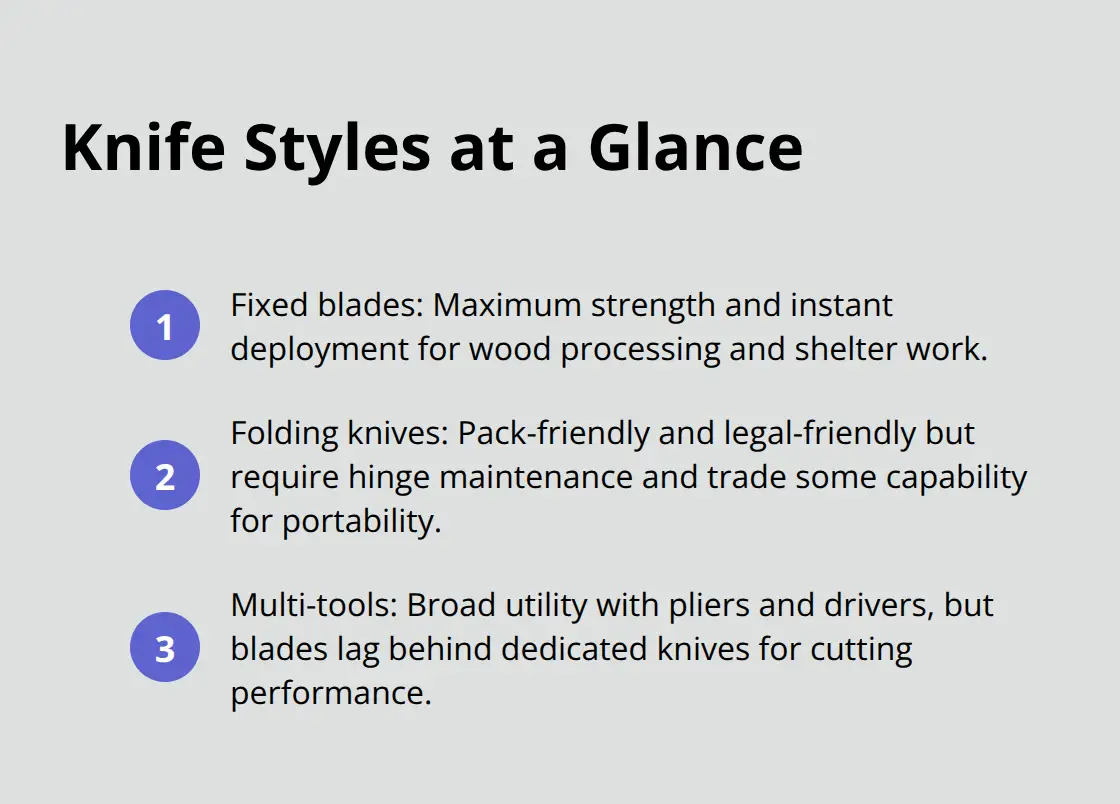
Serious campers who process wood, prepare food, and handle rope cutting need a primary fixed blade supported by a multi-tool for specialized tasks-not the reverse. Understanding which style matches your actual camping activities and constraints shapes your next decision: identifying the specific features that separate a capable blade from one that sits unused in your gear closet.
Matching Your Camping Knife to What You Actually Do
Identify Your Specific Camp Tasks
Start by listing the specific tasks you perform at camp rather than imagining a generic camping scenario. If you primarily cook, prepare food, and cut rope, a 4 to 4.5-inch drop-point blade with a convex edge handles 95 percent of those duties efficiently. If you bathe wood, build shelter, and process firewood, you need a 5 to 7-inch blade with flat geometry that won’t chip under the repetitive impact of heavy chopping.
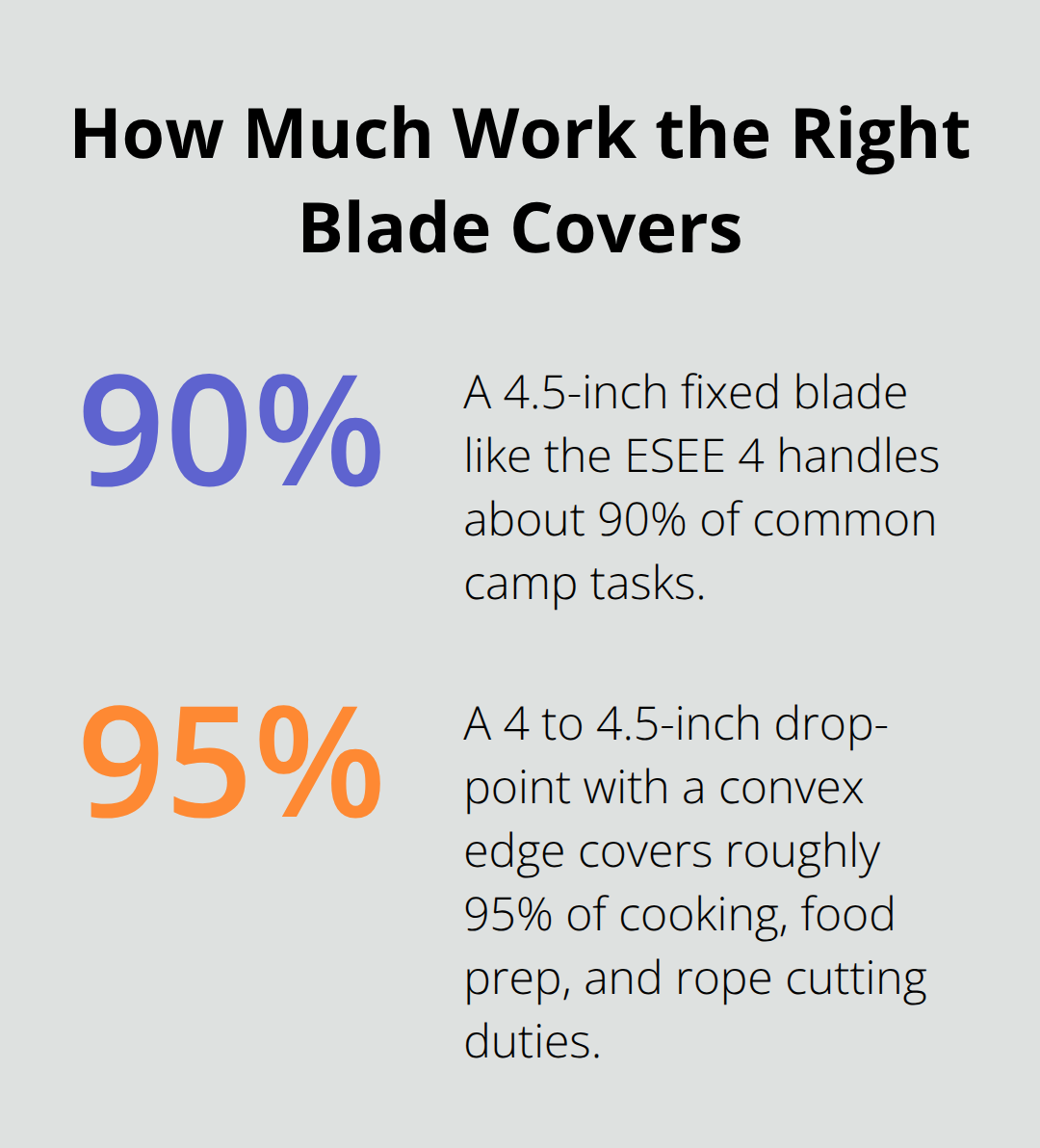
The ESEE 4 with its 4.5-inch 1095 steel works perfectly for food-focused trips where you’ll rarely process wood, while the Ka-Bar BK7’s 7-inch blade becomes essential if you’re splitting kindling or cutting shelter poles daily. This distinction matters because oversizing your blade adds weight and bulk you don’t need, while undersizing forces you to work harder on tasks that demand a longer cutting edge.
Account for Specialized Activities
Consider whether you’ll fish, hunt, or perform emergency tasks because each activity narrows your choices significantly. A 3 to 4-inch filet blade serves fishing trips far better than a general-purpose shape, while hunting demands edge retention that stainless steels like MagnaCut deliver reliably without constant field maintenance. These specialized needs shape your steel selection and blade geometry more than general camping does, so identify them early in your decision process.
Match Steel to Your Environment and Habits
Steel choice follows directly from your environment and maintenance habits. If you camp in wet climates or near saltwater, carbon steel creates constant rust management problems unless you oil your blade daily, making stainless options like MagnaCut or LC200N genuinely superior for your situation rather than a premium compromise. If you car camp with access to maintenance supplies, 1095 costs less and sharpens faster in camp using basic stones, offsetting its corrosion weakness. Weight-conscious backpackers should calculate actual differences: an ESEE Izula II at 2.9 ounces versus a Morakniv Bushcraft Black at roughly 4.8 ounces saves meaningful pack weight on multiday trips, yet that difference disappears if you’re car camping.
Prioritize Comfort and Practicality Over Premium Materials
Budget constraints demand prioritizing handle comfort and sheath quality over premium steel because a knife with an uncomfortable grip gets used less, regardless of how excellent the blade steel performs. Test your candidate knives in person before purchasing if possible, handling them under simulated camp conditions to ensure the grip suits your hand size and the blade weight feels manageable during extended use. Maintenance requirements vary dramatically: carbon steel demands immediate drying and oiling after each use, while stainless steels tolerate neglect far better, making them genuinely practical for backcountry trips where you lack proper cleaning facilities (or where daily maintenance simply isn’t realistic). A pocket sharpener designed for outdoor use ensures you can maintain your edge in the field without carrying heavy equipment.
Final Thoughts
Finding camping knife value means focusing on what actually works in the field rather than what marketing promises. The knives that earn their place in your pack share common traits: they match your specific tasks, they maintain performance under real conditions, and they feel right in your hand during extended use. A blade that costs less but requires constant maintenance or feels uncomfortable becomes expensive through frustration and underuse.
Real-world performance separates capable blades from disappointing ones far more than brand reputation or premium materials do. A properly heat-treated 1095 steel blade that you can sharpen quickly in camp often outperforms an exotic stainless option that requires specialized equipment to maintain. The ESEE 4, Morakniv Bushcraft Black, and Ka-Bar BK7 remain popular not because of marketing but because they consistently deliver on fundamental promises: they hold an edge, they don’t fail under stress, and they handle the tasks campers actually perform.
Test your candidate blades under realistic conditions before committing to your next purchase. Handle them for extended periods, perform actual camp tasks like food prep and rope cutting, and assess whether the weight and balance suit your style (borrow from friends, visit local outdoor retailers, or purchase from vendors with solid return policies). This honest testing approach prevents expensive mistakes and ensures your camping knife becomes a trusted tool that delivers genuine camping knife value on every trip.