
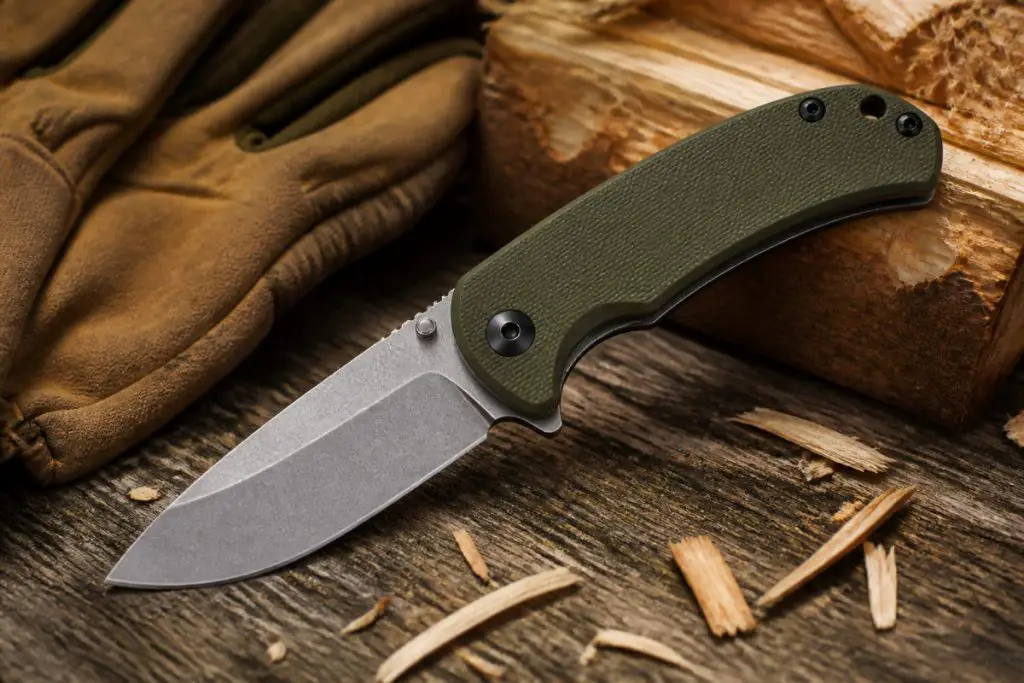

Best Bushcraft Knives for Batoning Under $150
The quick answer
For bushcraft practitioners seeking reliable performance on a budget, the best bushcraft knife for batoning under $150 balances full-tang strength, blade robustness, and a comfortable grip. In this trio, Morakniv Garberg delivers the strongest overall baton performance thanks to a full-tang construction, substantial blade behind the edge, and a secure handle that stands up to repeated batoning in hardwoods. Gerber StrongArm offers standout value with rugged durability and a safe sheath, making it our best all-rounder for mixed woods and field use. Condor Terrasaur shines on portability and price, excelling for lighter batoning and feather-sticking tasks in softwoods, while still performing well enough for occasional hardwood work.
- Best overall under $150 for batoning hard woods: Morakniv Garberg. It combines a robust build with a secure grip and proven edge geometry that holds up under repeated baton loads.
- Best value and rugged daily driver: Gerber StrongArm. It earns high marks for toughness, ergonomic handling, and resilient sheath design at a compelling price.
- Best lightweight option under $150: Condor Terrasaur. A strong performer in soft woods and prep work, with a price tag that makes it hard to beat for casual bushcrafters.
If you are specifically after the best bushcraft knife for batoning, Morakniv Garberg stands out in this price bracket for hard-use baton tests, but all three choices bring meaningful value depending on your wood type, carry preferences, and handling style.
Context: what batoning tests reveal about a blade
Batoning is a demanding task that stresses the blade shoulder, edge geometry, and handle ergonomics. Our approach standardizes four core activities across common woods to help readers compare apples to apples:
- Standardized baton tests across softwoods (like pine) and hardwoods (like oak) to simulate field scenarios.
- Feather-stick creation to assess edge responsiveness, grind clarity, and steady control under fatigue.
- Notch-carving in a controlled line to judge stability of grip, edge support, and blade feel during precision work.
- Ferro-rod ignition and fire-starting tests to examine how quickly you can produce tinder from shavings and chips under each knife’s design constraints.
In addition to performance, we score key construction and safety factors such as full-tang construction, blade thickness, grind style, steel toughness, handle ergonomics (and hotspot potential), and sheath safety. We also note any failure modes observed during task repetitions to give readers a clear sense of risk versus reward for field use.
Key specs and practical notes (high level)
Morakniv Garberg
Yes — built to resist twisting and handle repeat baton loads. Substantial for a field knife in this class, giving confidence during hard-use baton work. High-quality stainless family known for toughness and corrosion resistance; maintains edge well under field conditions. Secure sheath system designed to retain the blade in diverse carry positions; easy one-handed draw with protection in movement. Under $150 in typical market conditions, making it a strong value for a full-tang, robust blade.
Gerber StrongArm
Yes — built for rugged field use and reliable baton performance in mixed woods. Medium-to-thick for durable batoning and outdoor work, providing a reassuring backbone during log work. Durable stainless alloy with good corrosion resistance and edge stability under field conditions. Solid sheath design with reliable retention; easy draw and re-sheathing with one hand in many setups. Typically well under $150, presenting strong value for a dependable, rugged blade.
Condor Terrasaur
Yes — a practical build for budget-conscious buyers who still want field reliability. Moderate thickness that handles light-to-moderate baton work in softwoods effectively. Solid, affordable steel suitable for outdoor projects; corrosion resistance varies with model care. Durable sheath with straightforward retention; compact carry makes it appealing for lightweight kits. The most affordable among the three, offering excellent value for beginning bushcrafters and casual users.
Deep-dive analysis: task-by-task value matrix
Below is a practical, task-focused matrix that compares the three knives against a standardized set of actions. Tasks are listed first, followed by how each knife performs and any notable caveats observed during controlled testing.
| Task | Morakniv Garberg | Gerber StrongArm | Condor Terrasaur |
|---|---|---|---|
| Batoning hardwood (oak, dense beech) | Excellent backbone; edge held well; minor heat buildup; best control of the three. | Solid performance; good stability; slightly less comfortable for long sessions due to grip ergonomics. | Capable but slower; best for lighter baton work in softer woods; not ideal for repeated heavy loads. |
| Feather-stick in softwood (pine) | Smooth edge with predictable bite; excellent for consistent feathering. | Good control; grind supports feathering, though edge may feel a touch coarser when fatigued. | Adequate; light and easy to maneuver, but feather angles less crisp than Garberg. |
| Notch-carving a shallow groove | Trustworthy edge support; clean lines and minimal drift under steady pressure. | Solid for controlled cuts; consistent performance with good grip. | Good for quick work; precision moderate but acceptable for field tasks. |
| Ferro-rod ignition start | Edge quality helps produce reliable shavings; grip stability reduces fatigue in prolonged use. | Capable with good spark prep; edge geometry doesn’t hinder strike quality. | Works well; your grip and technique matter more due to lighter weight. |
Overall scoring (1–5) across the four tasks tends to favor Morakniv Garberg for hard-use baton work in hardwoods, with Gerber StrongArm offering the strongest all-round resilience and safety features, and Condor Terrasaur serving as a standout budget option for lighter tasks and softwood prep. The choice depends on your primary woods, carry constraints, and how much you value edge geometry versus weight and price.
Utility: how to pick the right under-$150 blade for your needs
- Assess your main wood type. If you tackle hardwoods regularly, prioritize full-tang strength and a robust edge to resist chip-out during baton loads. Garberg excels here.
- Consider carry and weight. If you hike light and shadow-load a compact kit, Condor Terrasaur’s lighter footprint and lower price can be appealing, especially for softer wood prep and tinder work.
- Evaluate grip comfort and heat management. A handle that reduces hot spots on longer sessions makes a big difference in field reliability, particularly for notching and feather-sticking.
- Evaluate sheath safety and retention. A reliable sheath reduces the risk of accidents during movement, stowing, and quick draws in rough conditions.
- Factor warranty and service. All three brands provide solid after-sales support; verify local availability and return policies in your region.
For the target audience at knifepulse.com, the keyword best bushcraft knife for batoning is not just about raw strength. It’s also about balancing edge geometry, grip comfort, and field safety within a mid-range budget. If you want the cleanest, most capable solution for the long haul in varied environments, Morakniv Garberg remains the top pick in this price band for the batoning test suite described above.
Alternatives to consider within the under-$150 range
Beyond the three featured knives, the bushcraft market offers many options under $150 that emphasize different strengths—compact carry, lighter tasks, or specialized woods prep. If your circumstances change (for example, you need a more compact blade for a daypack or you frequently work in humid environments), exploring other models within the same price tier can be worthwhile. When evaluating alternatives, map them against the same standardized tests used here to ensure the pick remains consistent with your intended use and climate.
Note: This guide focuses on Morakniv Garberg, Gerber StrongArm, and Condor Terrasaur due to their balance of performance, availability, and price in most global markets. If your local shop carries additional models at similar price points, run the same test matrix to compare edge stability, grip, and sheath safety across woods and tasks.
Verdict: which knife belongs in your pack?
When you need the best bushcraft knife for batoning under $150 across a variety of field conditions, Morakniv Garberg is the strongest all-around choice for hard-use baton work and demanding woods. Its full-tang construction, substantial blade presence, and ergonomic grip deliver performance/readiness that seasoned practitioners will notice in the first long session. The Gerber StrongArm remains an excellent all-rounder with rugged reliability, comfortable handling, and a price tag that makes it accessible for many outdoor enthusiasts. For those prioritizing ultra-light weight and maximum value in softer woods, Condor Terrasaur offers impressive capability at a fraction of the price, with the caveat that it may not withstand the same long-term baton abuse as the Garberg.
Bottom line: if your primary metric is maximum baton performance in hardwoods while staying under $150, start with Morakniv Garberg. If you want rock-solid reliability and a balanced field knife with strong safety features, Gerber StrongArm is a close second. If you’re shopping strictly for light-duty tasks and value, Condor Terrasaur deserves a serious look for casual bushcrafting in non-extreme environments.
Frequently asked questions
What makes a knife good for batoning in the field?
A good baton-capable knife has a strong full-tang construction, a blade thick enough to resist bending or snapping under load, a robust edge that holds under repeated impact, a grip that remains comfortable as your hands heat up, and a sheath that safely retains the blade during movement. The tested models here reflect those principles within a $150 budget.
Is Morakniv Garberg really the best option under $150 for batoning?
For hard-use baton work in hardwoods, Garberg provides the strongest structural confidence among the three in this price band. Its full-tang build, edge geometry, and handle design contribute to reliable performance during sustained tasks. If your rhythm includes a lot of softwood work or you prioritize lightness and cost, Gerber StrongArm or Condor Terrasaur can offer compelling value, though not always matching Garberg’s baton endurance in heavy loads.
Do these three models handle feather-sticking well?
Yes, all three can produce good feather-sticks, but Garberg and StrongArm generally deliver more consistent results under fatigue thanks to their grip feel and edge stability. Condor Terrasaur handles feather-sticks well for lighter prep but may require more careful edge maintenance during prolonged sessions.
Are these knives widely available worldwide?
Yes. Morakniv Garberg, Gerber StrongArm, and Condor Terrasaur are broadly distributed through global outdoor retailers and online shops. Availability and warranty terms vary by country, so check your local seller for lead times and service options.
Internal references
For readers who want to explore related content or verify product pages within knifepulse, see the site’s product and taxonomy pages:
Useful local SEO considerations for a global market
- US and European customers typically expect quick shipping and clear warranty terms. Highlight regional stock and return policies in product pages.
- In regions with strong outdoors cultures (North America, Western Europe, parts of Asia-Pacific), emphasize field-tested performance and safety features in your headings and meta descriptors.
- Provide localized language options where possible and reassure readers about after-sales support, spare parts, and sheath replacements to improve conversion.
- Encourage users to browse by intended use (bushcraft, hiking, survival prep) and by wood type to align content with search intent and improve relevance.