
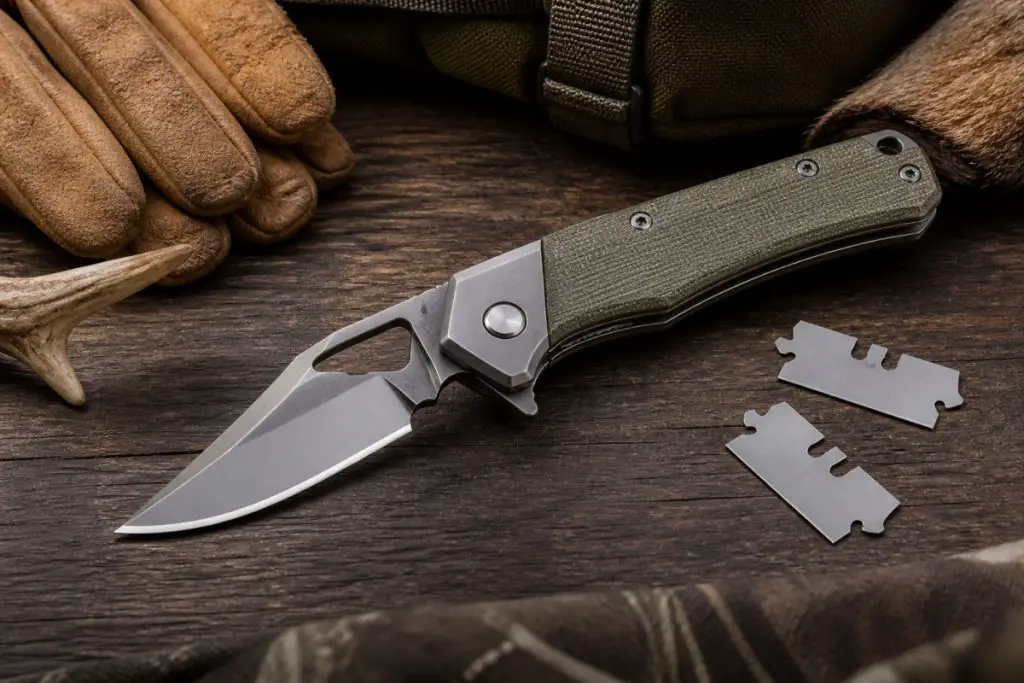

Best Replaceable-Blade Knives for Hunters
The quick answer
If you want a fast, hygienic, and low-maintenance solution for field dressing and skinning, the best replaceable blade hunting knife choices in the U.S. market right now are the Havalon Piranta Edge (precision and ultralight control), the Gerber Vital Big Game (purpose-built big-game ergonomics), and the Outdoor Edge RazorLite (tougher edge geometry for heavier tasks). For small game and precision skinning pick Havalon; for deer and heavier joint work choose Gerber or Outdoor Edge depending on whether you prioritize blade toughness or lightweight carrying. The exact “best replaceable blade hunting knife” for you depends on prey, glove/hand conditions, and how many fresh blades you plan to carry.
Context
Replaceable-blade knives are designed around the idea of swapping a fresh blade quickly instead of re-sharpening in the field. They are popular with hunters and outdoor survivalists across the United States because they reduce cross-contamination risk, simplify cleanup, and keep a reliably sharp cutting edge for skinning, caping, and meat prep. State hunting seasons from whitetail in the Midwest to backcountry elk in the Rockies put a premium on speed and hygiene. In busy hunting camps — from Pennsylvania state game lands to public lands in Idaho — the ability to swap blades with wet hands or while wearing insulated gloves can save time and reduce frustration.
Specs
Below are the core specifications and design notes for the three knives we compare. Exact weights and bundle contents vary by year and retailer; these descriptions emphasize functional differences that matter on the trail.
| Model | Blade style & replaceability | Handle / ergonomics | Best use |
|---|---|---|---|
| Havalon Piranta Edge | Thin, surgical-style replaceable blades; quick-swap system; compact folding head | Lightweight polymer handle; modular head for blade storage | Small game, precise cuts, caping, ultralight backcountry |
| Gerber Vital Big Game | Replaceable single-edge blades designed for big-game skinning; quick-change mechanism | Full-size handle with textured grip and guard for push cuts | Deer, elk, robust joint work and heavy skinning |
| Outdoor Edge RazorLite | Replaceable clipped-edge blades; simple secure mount; storage in handle | Ergonomic beefier handle for sustained use; thicker tang support | Big game, heavier-duty skinning and field butchery |
Deep-dive analysis
Changing blades with wet hands and gloves
In the field you will change blades in imperfect conditions: cold, wet, blood on your hands or with insulated hunting gloves on. The three knives differ in how they handle this:
- Havalon Piranta Edge: The blade head releases quickly with a dedicated screw or slide system. The small parts are easy to handle, but thin components can feel fiddly with heavy gloves. For gloved hands, practice one-handed or two-hand removal before your hunt; micro-texture on the head helps if your gloves are thin. If your priority is lightness and you use light liners or dextrous gloves for skinning, Havalon is very fast.
- Gerber Vital Big Game: Built with larger levers and clearer indexing surfaces, it is the friendliest to operate with heavy gloves or when your hands are slick. A larger handle and obvious catches reduce fumbling and wrist strain during repetitive blade changes.
- Outdoor Edge RazorLite: Midway between the two. The RazorLite systems generally provide positive engagement and are straightforward to operate with wet hands. They aren’t as fiddly as the smallest systems but don’t have as much bulk as purpose-built heavy-glove designs.
Joint work and skinning control
Replaceable blades tend to be thinner and sharper than thick fixed blades, which improves precision around joints and in tight caping work. However, design matters:
- Havalon: Exceptional tip control and thin profile make it ideal for caping, gutless skinning of small game, and working around joints where precision matters more than raw cutting power.
- Gerber Vital: The blade geometry and handle size were created for controlled pushing cuts and slicing past joints on deer-sized animals. The guard and fuller contact help keep the blade steady when applying force into connective tissue.
- Outdoor Edge RazorLite: Thicker replaceable blades give extra confidence when cutting through tougher tissue or when you need to pull through hide without bending the blade. This sturdier blade geometry improves longevity when doing multiple deer in a day.
Breakage risk and cleanup
Replaceable blades are inherently thin; that makes breakage possible if used for prying or bone work. Field best practices reduce risk:
- Avoid using replaceable blades for bone or heavy prying. Use another tool or a fixed blade if you expect to separate bones.
- Handle changes over a small, contained area to catch dropped blades. A magnetic blade box or included storage slot reduces loss and contamination risk.
- Cleanup: wicking blood and tissue off with a rag, then rinsing in clean water is standard. If you’re in the field and cannot fully sanitize, keep used blades isolated from fresh blades and return to camp for proper cleaning and disposal.
- Blade breakage: If a blade fractures, secure the broken pieces in a puncture-resistant container and note the incident. Fragments should be kept away from animals and people; do not leave them in the environment.
Utility: cost, logistics and per-animal math
One practical advantage of replaceable-blade systems is predictable per-use cost. Below is a conservative estimate using typical retail replacement-pack ranges in the United States. Actual prices vary by retailer and pack size; use these as planning figures for multi-day hunts.
| Model | Typical replacement-pack size (typical US retail range) | Estimated cost per blade (USD) | Assumed blades per animal | Estimated replacement-blade cost per animal (USD) |
|---|---|---|---|---|
| Havalon Piranta Edge | 20–25 blades per pack | $0.90–$1.80 | Small game: 1 every 2–6 animals; Deer: 1–2 | Small game: effectively $0.15–$0.90 per animal (if one blade covers multiple); Deer: $0.90–$3.60 |
| Gerber Vital Big Game | 8–25 blades per pack | $1.10–$2.50 | Small game: 1 every 2–4 animals; Deer: 1–2 | Small game: $0.30–$1.25 per animal; Deer: $1.10–$5.00 |
| Outdoor Edge RazorLite | 5–10 blades per pack | $1.80–$4.00 | Small game: 1 every 2–3 animals; Deer: 1–2 | Small game: $0.60–$2.00 per animal; Deer: $1.80–$8.00 |
How to interpret these numbers:
- Small-game hunters (rabbits, grouse, squirrels) who accept that a single blade can handle multiple animals will see negligible per-animal blade cost, especially with Havalon-style blades. That makes replaceables economical for upland and small-game outings.
- Deer and larger animals often require fresher blades if you want ideal meat presentation; budgeting for one to two blades per deer is sensible. The Gerber and Havalon systems often land in the sweet spot of cost vs. performance for deer in many U.S. regions.
- For multi-day backcountry hunts, count both blade weight and blade quantity you plan to carry. Havalon packs light and is easiest on carry weight; Gerber and Outdoor Edge offer more robust ergonomics but at slight weight and bulk cost.
Safe disposal guidance
Used blades are sharp, potentially contaminated objects — treat them as you would other sharps. Best-practice, U.S.-oriented guidance:
- Bring a puncture-resistant container (metal tin or purpose-built blade bank) into camp. Store used blades immediately in that container; do not leave loose blades in the field.
- Seal and label the container once full. Many counties in the U.S. accept sealed sharps containers at household hazardous waste collection sites; check local county waste management rules before your trip.
- If you are hunting on public lands, do not leave used blades or packaging behind. Carry them out and dispose of them according to local guidelines. Contact your state game agency or local waste authority if unsure.
- For long-term storage before disposal, wrap used blades in heavy-duty duct tape or place them in a screw-top metal can to prevent accidental cuts.
Alternatives
If replaceable-blade systems aren’t ideal for your needs, consider these alternatives:
- Fixed-blade skinning knife: Best if you expect to work bone or need a blade that can be reprofiled/resharpened in the field. Heavier, but more versatile for camp butchery.
- Folding locking knife with a high-quality steel: A middle ground for general utility and some skinning tasks. Not as hygienic as swap-blades but robust when you need one tool for everything.
- Hybrid setups: Carry a lightweight replaceable-blade knife for initial skinning and a compact fixed or folder for bone/prying tasks. This balances hygiene, weight, and durability.
Verdict
Which system is right for your hunting style in the United States?
- Best for deer (balance of ergonomics, blade toughness, and field use): Gerber Vital Big Game. Its larger handle, ease of use with gloves, and purpose-focused geometry make it a very strong option for whitetail, mule deer, and similar game.
- Best for small game and precision skinning: Havalon Piranta Edge. If you pursue upland birds, rabbits, or caping trophies where detailed cuts matter and weight is critical, Havalon gives the control you need.
- Best for backcountry weight vs. durability tradeoff: Havalon for ultralight trips where carry weight and blade count matter; Outdoor Edge RazorLite if you want a slightly tougher replaceable blade that tolerates more sustained heavy use without frequent replacement.
Ultimately, if you are trying to pick the single best tool for a mix of deer and occasional small game on public lands and want minimal fuss with gloves and wet hands, a Gerber Vital Big Game or RazorLite will meet most needs. If your objective is precision, hygiene, low weight, and the exact title of “best replaceable blade hunting knife” for small-game work, Havalon is the top choice.
FAQs
How many replaceable blades should I bring on a multi-day deer hunt?
Plan for at least two fresh blades per deer if you care about meat presentation: one for initial skinning and a second if you want a fresh edge for caping or detailed trimming. Also carry a few extras for small-game processing or in case blades dull faster than expected. For a 3–5 day trip, bringing 10–20 blades is a common practice depending on pack weight and access to resupply.
Are replaceable blades legal to use in U.S. hunting?
Yes. Replaceable-blade knives are legal for hunting in the United States. However, check state-specific hunting regulations for any gear restrictions related to certain seasons or types of take. As always, follow local game laws and field-dressing rules enforced by state wildlife agencies.
How should I clean and sanitize replaceable blades after a hunt?
In camp, wipe blades clean of tissue immediately, rinse with potable water, and dry. If you can, disinfect with a diluted bleach or commercial disinfectant appropriate for knives, then rinse and dry. Store used blades separately from fresh blades and transport them home in a sealed container for final cleaning or disposal. Avoid leaving contaminated blades in the environment.
Can replaceable blades handle joint separation?
Replaceable blades excel at soft-tissue work and precision around joints, but they are not intended for bashing or prying on bone. For separating joints, use clean, controlled slicing and consider switching to a sturdier fixed blade if heavy leverage is needed. Avoid forcing thin replaceable blades into bone gaps where they can chip or break.
Which replaceable system is best for cold-weather glove use?
Gerber Vital Big Game and Outdoor Edge designs tend to be friendlier to heavy gloves due to larger levers and more positive indexing surfaces. Havalon is fast but can be fiddly with thick gloves; practice changing blades before you head into subzero conditions.
For more product posts and gear breakdowns, you can browse KnifePulse sitemaps: posts sitemap and product sitemap.