
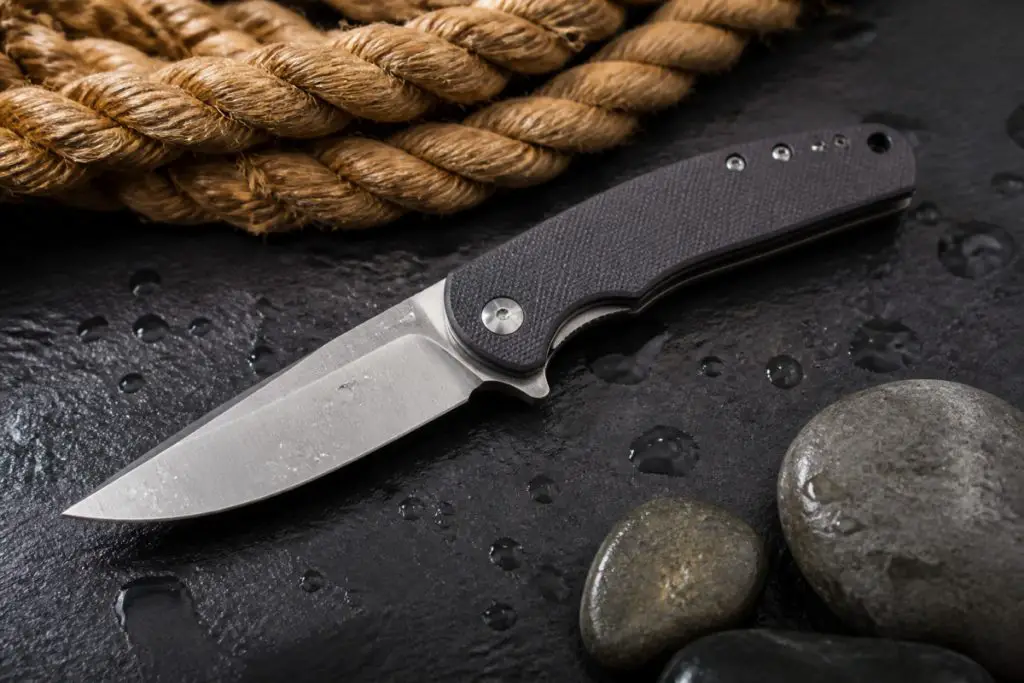

Best Saltwater Fishing Knives That Won’t Rust
TL;DR
The best saltwater fishing knife choice depends on your primary task. For overall saltwater readiness, the Spyderco Salt 2 delivers outstanding corrosion resistance and a solid grip in wet conditions, but it is a folding knife and not a dedicated fillet tool. For dedicated filleting with a long, flexible blade, the Dexter Russell Sani-Safe Fillet Knife shines. For budget-friendly bait work and rigging, the Rapala Fish n Fillet sticks out with a balance of performance and value. Use this guide to pick the knife that fits your water-bound survivalist needs, from harsh spray to muddy deck scrapes.
If you’re shopping with the intent to find the best saltwater fishing knife for your kit, read on—this comparison weighs filleting utility, rigging versatility, emergency-cutting potential, and practical salt-spray resilience, all while presenting retailer-neutral pricing.
Context: Why saltwater knives demand special traits
Saltwater environments accelerate corrosion and wear. A knife that sits idle in a humid boat locker can corrode if the blade isn’t stainless or corrosion-resistant. Edges must hold up after brine, fish slime, and damp rigging line, while grips need to stay secure when hands are wet. For outdoor survivalists who depend on gear in coastal or offshore settings, the top priorities are:
- Salt-spray resistance and rust prevention
- Wet-grip handles that stay secure when wet or oily
- Drainage or sheath design that prevents water pooling
- Reliable edge retention with corrosion-resistant steel
- Practical blade geometry for filleting, rigging, and emergency cuts
In a global market, coastal regions—from Florida and California in the Americas to the coasts of Australia, South Africa, Japan, and across Europe—demand knives that tolerate harsh marine conditions without constant maintenance. This article evaluates three widely available options with global reach and provides a practical, retailer-neutral price perspective to help outdoor survivalists decide which knife to bring on the next saltwater trip.
Knives at a glance: table of features, performance, and price ranges
Note: This table uses a single table to compare the three models across key criteria. Prices are approximate street ranges in USD as of this writing and vary by region and retailer. Where a feature does not apply (for example, a folding knife’s sheath), the cell is marked N/A or Not Applicable.
| Knife | Filleting | Bait | Rigging | Emergency-cutting | Salt-spray resistance | Wet-grip | Sheath drainage | Steel (blade) | Edge retention | Current price (approx USD) |
|---|---|---|---|---|---|---|---|---|---|---|
| Spyderco Salt 2 (folding) | Good for small fillets; not a full-size fillet knife, but folds compactly for field prep | Limited primaries; adequate for light bait prep on the go | Moderate rigging capability via tip-access and secure lock | Strong locking system aids safe cuts in tight spots | Excellent salt-spray resistance thanks to corrosion-resistant steel | Very good wet-grip due to textured handle materials | N/A (folding knife; no traditional fixed sheath with drainage) | LC200N stainless (corrosion-resistant, good stamina) | Moderate; holds edge well for a folder in this class | Approximately $160–$210 |
| Dexter Russell Sani-Safe Fillet Knife (fixed blade, 6–9 inch typical) | Excellent for filleting larger fish; highly flexible blade options extend reach | Great for bait work with thin profile blades | Solid rigging readiness; robust blade supports rope and cord cuts | Very capable for emergency cuts with a long blade | Very good corrosion resistance with stain-resistant stainless | Dependable wet grip from sanitary handle concepts | Drainage-friendly sheath (vented) with proper care | Stainless high-carbon composition (varies by model) | Strong edge retention for a fillet knife | Approximately $40–$80 (depending on blade length and model) |
| Rapala Fish n Fillet (fixed blade, 6–8 inch typical) | Proven filleting performance for everyday use | Capable bait prep; flexible enough for delicate tasks | Good general rigging capability; sturdy enough for field tasks | Reliable for incidental cutting tasks in the field | Good corrosion resistance typical of Rapala stainless blades | Respectable wet grip on standard rubberized handles | Standard sheath with drainage features on many variants | Stainless steel blade (commonly stainless alloys used by Rapala) | Good edge retention for a budget fillet knife | Approximately $15–$40 |
Deep-dive: how these knives perform in filleting, bait, rigging, and emergency cuts
For outdoor survivalists, the best saltwater fishing knife must cover a spectrum of tasks—from delicate filleting to rugged rigging and the occasional emergency cut. Here is how each model stacks up against the core activities you’ll face on deck or in the field.
Filleting performance
Dexter Russell Sani-Safe Fillet Knife is purpose-built for filleting. Its long, flexible blade and ergonomic, non-slip handle let you glide along fish contours with controlled pressure. If your primary job is producing clean fillets from larger saltwater species, this knife is hard to beat for clean cuts and consistent yields.
The Rapala Fish n Fillet knife is also a filleting workhorse, especially in budget-conscious setups. It balances blade flexibility with edge geometry that yields smooth fillets on a range of saltwater species. For shorter trips or smaller fish, its performance is reliable and approachable for enthusiasts or beginners.
The Spyderco Salt 2, as a folding knife, serves filleting in a pinch. It excels in field trim and quick prep when a fixed blade isn’t practical. For prolonged filleting sessions or large tuna and swordfish, a dedicated fillet knife will typically perform faster and with less fatigue.
Bait handling and rigging
Bait work benefits from a thin, controllable blade and a secure grip. The Dexter Russell Sani-Safe excels here with its slim profile and precise edge, letting you handle bait and perform light rigging without losing control. The Rapala also handles bait duties well, especially for anglers who value a budget-friendly, purpose-built tool. The Spyderco Salt 2 offers practicality for quick bait prep in tight spaces, but its folding design means you should avoid heavy-duty rigging tasks that demand a fixed blade.
Emergency-cutting utility
In emergencies, you want a knife you can trust to cut rope, cord, or line quickly. The Dexter Russell Sani-Safe dominates this category thanks to its length, rigidity, and edge geometry. The Rapala provides adequate emergency-cutting capability for casual field situations, while the Spyderco Salt 2’s lock mechanism provides safety in close quarters, albeit with less blade length to leverage in an emergency.
Salt-spray resistance and wet-grip reality check
Saltwater insistently tests corrosion resistance. The Spyderco Salt 2 uses a corrosion-resistant blade (LC200N) and a grip designed to stay grippy when wet. That makes it the best option among these three for sustained exposure to spray, humidity, and brine. Dexter Russell’s knives typically use a stainless composition that resists rust well and pair with sanitary, textured handles that perform reliably in wet conditions. Rapala’s stainless blades are durable for daily saltwater use and its rubberized grip is effective when wet, though it may not stand up to long seasons of heavy salt exposure like the higher-end corrosion-resistant steels.
Utility and buying guidance: who should buy or skip each model
-
— Buy if you want a corrosion-resistant, compact folding knife for light field filleting, quick prep, and on-deck tasks where space matters. Skip if your primary need is heavy-duty filleting or long-term, fixed-blade endurance for large saltwater game fish. - Dexter Russell Sani-Safe Fillet Knife — Buy if your priority is dedicated fillet work with a long, flexible blade and a robust sheath for storage. Skip if you need a compact, fixed multi-use tool or are on a tight budget; the longer, fixed blade may be overkill for small, quick jobs.
- Rapala Fish n Fillet — Buy if you want a budget-friendly, dependable fillet knife with proven performance for everyday saltwater tasks. Skip if you require maximum corrosion resistance in harsh spray environments or you need a folding option for compact carry.
Local considerations: for outdoor survivalists traveling or fishing across coastal regions, consider how you’ll ship, store, and maintain your knife. In global markets, ensure you’ve got a corrosion-tolerant blade and a grip that retains traction when wet. If you fish in areas with aggressive brine or shelling, the Spyderco Salt 2’s LC200N blade tends to hold up better over longer periods. For fillet-focused trips in region-specific fisheries, the Dexter Russell Sani-Safe is hard to beat, and the Rapala remains a reliable, economical choice for general use.
Alternatives to consider
If you’re exploring beyond the three knives above, look for models with similar corrosion resistance and grip features. Consider fixed-blade saltwater fillet knives with longer blades for larger fish, or folding models with locking mechanisms that ensure safe operation in damp conditions. When comparing alternatives, apply the same criteria used here: filleting capability, bait handling, rigging versatility, emergency-cutting potential, salt-spray resistance, wet-grip, sheath drainage, blade steel, edge retention, and price range.
For broader research, you can explore knifepulse’s catalog and related product listings in the sitemap areas, including product and taxonomy pages that catalog similar models and brands. See the sitemap entries for product and category listings to understand how other saltwater-specific tools stack up in your region.
Verdict
For most outdoor survivalists seeking a best saltwater fishing knife with broad utility, the Spyderco Salt 2 offers standout salt-spray resistance and a confident grip in wet conditions, making it a top pick for on-deck handling and quick field trimming. If your primary task is filleting larger saltwater catches with a long, flexible blade, the Dexter Russell Sani-Safe Fillet Knife is the clear winner. For those prioritizing budget and reliable daily tasks, the Rapala Fish n Fillet delivers solid performance without breaking the bank. Your final choice should reflect how often you fillet, rig, or cut in emergency situations, as well as how much you value corrosion resistance and grip in saltwater environments.
In short, the best saltwater fishing knife is the one that aligns with your mission profile on the water—whether that means a corrosion-proof partner for long trips, a specialized fillet tool, or a dependable budget companion for routine saltwater work.
FAQs
- Is the Spyderco Salt 2 truly rust-proof for saltwater use?
- Not literally rust-proof, but it uses a highly corrosion-resistant blade and a design that resists salt spray. It’s excellent for field tasks and wet environments, but proper rinse-and-care is still essential after exposure.
- Which knife is best for filleting large saltwater fish?
- The Dexter Russell Sani-Safe Fillet Knife typically offers the best filleting performance for larger fish due to its long, flexible blade and proven edge geometry.
- How should I care for a saltwater knife after use?
- Rinse with fresh water, pat dry, apply a light coat of oil to the blade, and store in a dry environment. Remove any slime or brine from the grip and sheath to prevent buildup that could affect performance.
- Are these knives legal to carry globally?
- Legality varies by country and region. Always check local regulations regarding blade length, locking mechanisms, and carry restrictions before traveling with any knife.
- What about maintenance and sharpening in the field?
- Keep a compact sharpening stone or a carbide pull-through handy. For stainless blades, light oiling after use helps prevent corrosion. For folding blades, ensure the lock remains secure after cleaning.
Further reading
For readers who want to explore related product listings or sitemap references on KnifePulse, see these neutral links: